
Google Maps - Maximising network effects with generative AI
Google Maps is the most popular navigation app in the world with over 1 billion monthly users (Pawar, 2023). As a digital platform ecosystem it includes features beyond its core mapping capability to maximise network effects and with the advent of generative AI is expected to maximise network effects further. For a broader look at how GenAI transforms the digital business innovation process, see the companion analysis.
The players in a digital platform ecosystem include producers and consumers as visualised in Figure 1 (Alstyne, Parker & Choudary, 2016). With its core mapping capability, platform users are concurrently producers and consumers—AI uses the collective location data shared whilst at the same time predicting travel times and mapping the best route (Lau, 2020; Levine & Jain, 2023). Google Maps also brings together producers and consumers through retail features such as its store and product locator, and individual features such as local information (Google, n.d.).
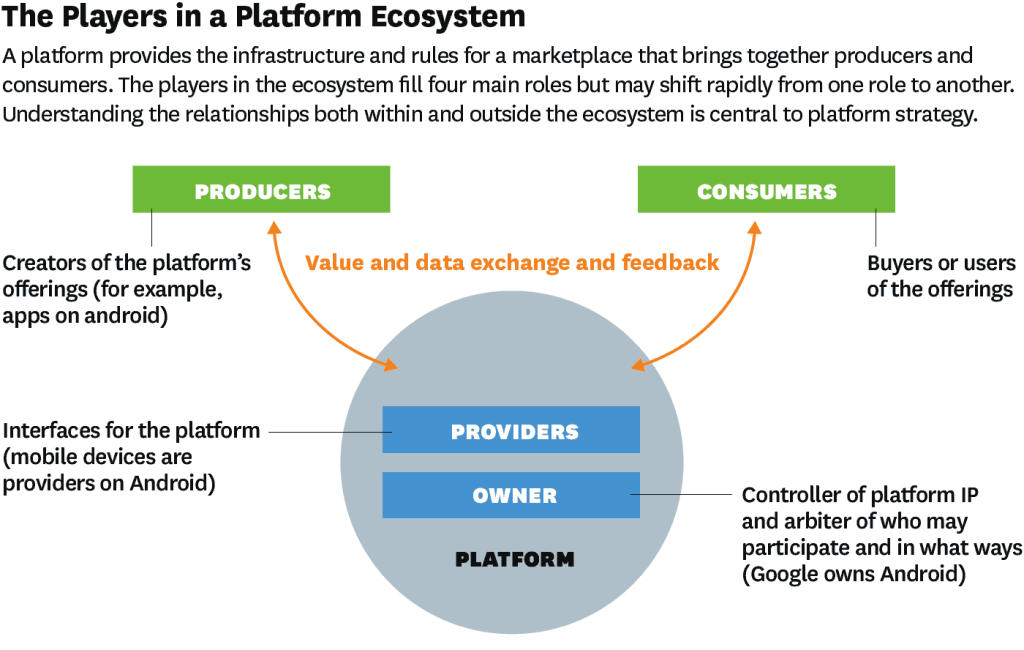
Figure 1: The Players In A Platform Ecosystem (Alstyne, Parker & Choudary, 2016)
Google Maps is defined as "Tech Performance Network Effects" according to NFX (2021), that is "its performance directly improves with increased numbers of users". In addition to understanding this "Digital Competitive Advantage", it is assumed by its ongoing innovation in the space of generative AI (Liu, 2023) that Google has also asked "What is the Digital Threat and Opportunity?" (Weill & Woerner, 2018).
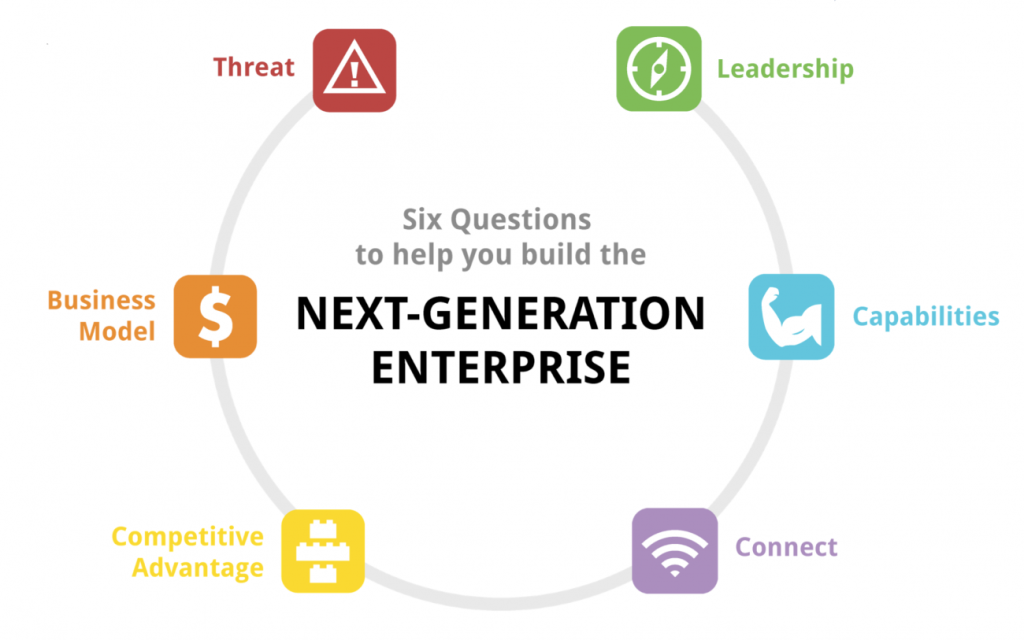
Figure 2: Six Questions to help you build the Next-Generation Enterprise (Weill & Woerner, 2018)
Google's Partner Innovation is "developing a series of Generative AI templates" to showcase possibilities of using Generative AI with their APIs, in particular for travel (Liu, 2023), providing ecosystem producers inspiration and know-how to quickly innovate. Wang (2023) from the Lufthansa Innovation Hub sees Google Maps "as the foundation of a transformative AI-powered travel experience", leveraging generative AI to "create a more efficient, personalised, and engaging travel booking experience".
Given the transformative impact of generative AI it is both a digital threat and opportunity. Ecosystem players and platforms such as Google Maps are exploring strategies to maximise their network effects, but undoubtedly aware of the threat it also presents.
This post is a part of a series from my MBA (Technology) studies through the Australian Graduate School of Management @ UNSW Business School